

Who Must Receive E-Invoices in Slovakia from 1. 1. 2027?
From 1 January 2027, Slovakia’s mandatory e-invoicing rules will apply to specified domestic transactions in Slovakia: supplies of goods or services within Slovakia between locally established suppliers and business or legal-entity customers. Businesses will need to be able to receive these e-invoices even if they are not VAT payers. This includes sole traders, small companies […]
E-invoicing in Europe: Why is Slovakia introducing it in 2027?
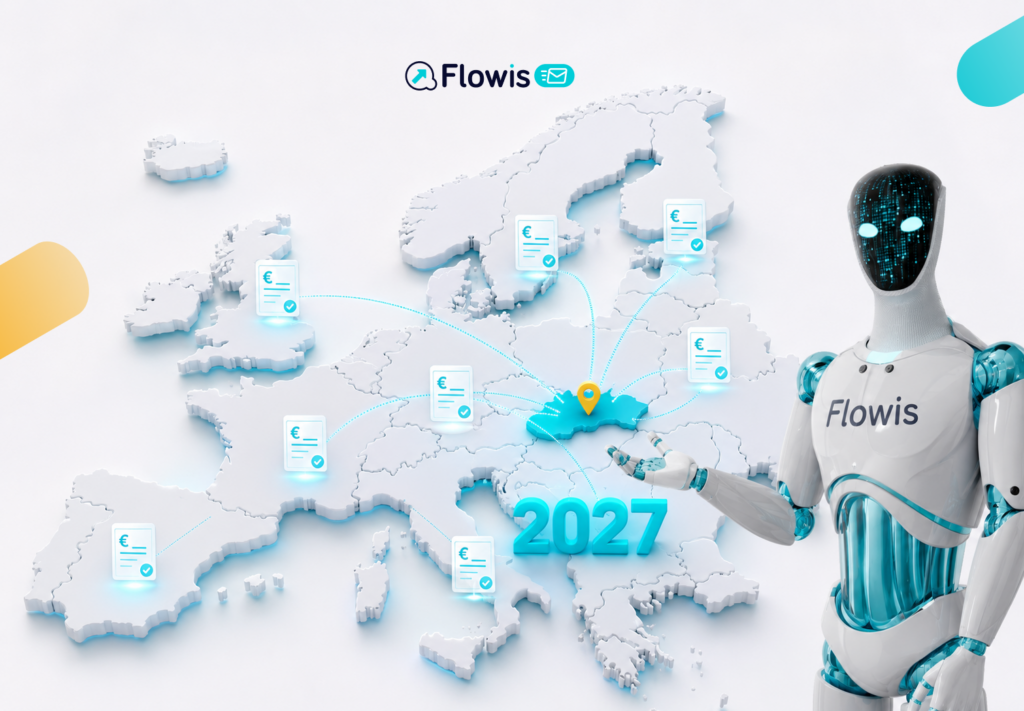
E-invoicing is not just a Slovak initiative. It is part of a broader European reform called ViDA – VAT in the Digital Age, which aims to adapt VAT rules to the digital economy. The European Union is gradually moving towards companies exchanging invoices in a unified data format and tax administrations obtaining the necessary data […]
As a Peppol Access Point, how does it know whom to deliver the e-invoice to?
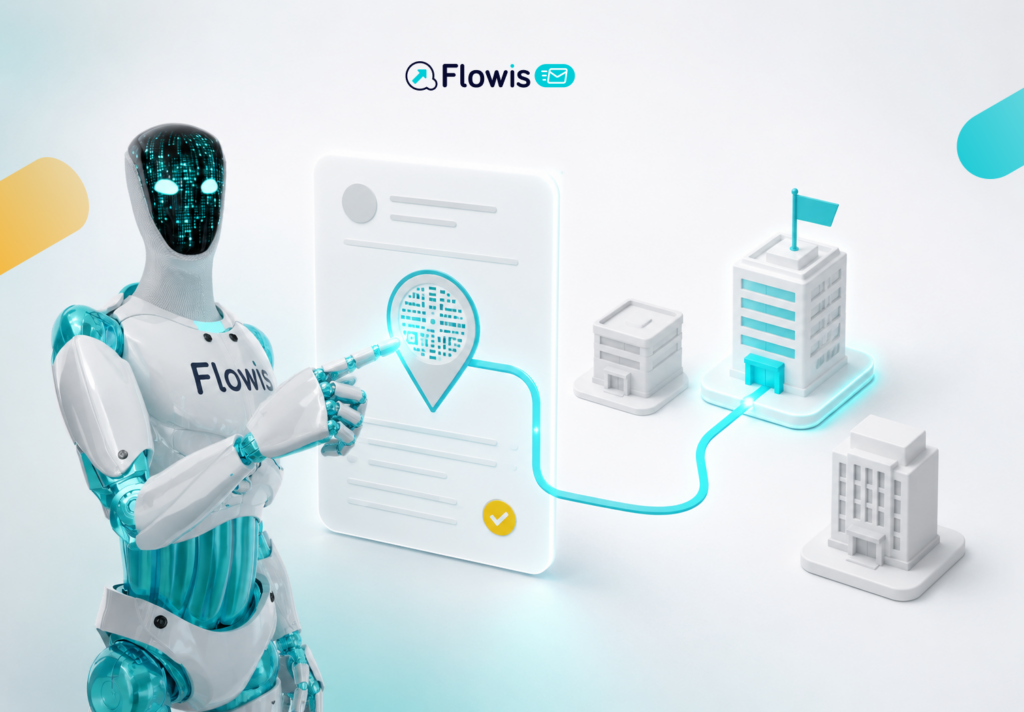
With e-invoices, the recipient is not identified by an email or postal address. The document is delivered via the Peppol network, and the system needs to reliably determine who it belongs to and where to send it. The basis is the recipient’s Peppol ID. This is a unique identifier that allows the network to locate […]
What is Peppol, and how does it work with e-invoicing?
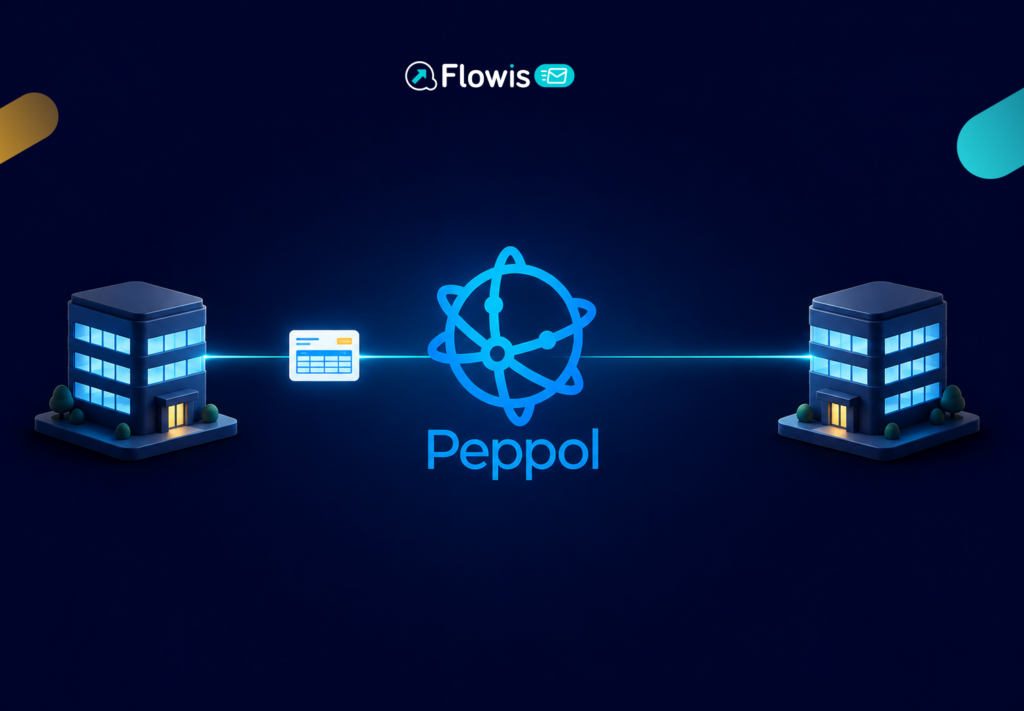
Peppol is a network for the secure electronic exchange of business documents between companies and public institutions. It is most commonly used to receive and send e-invoices, but it also supports other types of documents. For a company, Peppol is a practical way to exchange data with business partners in a standardized format. It does […]
4 Signs That You Need to Start Receiving E-Invoices
E-invoicing isn’t just for large companies with their own accounting departments. While many sole proprietors and small businesses do not issue e-invoices, they do receive them from suppliers for services, materials, rent, phone service, software, or accounting services. Starting January 1, 2027, it will be important to be able to receive electronic invoices in cases […]
10 Myths About E-Invoicing: What’s True in Practice?
Starting January 1, 2027, e-invoicing will be required in domestic cases specified by law. Consequently, concerns are already emerging among companies, accountants, and software vendors—concerns that stem more from their experiences with PDF attachments in emails than from the actual functioning of structured invoices. The good news is that most changes can be handled without […]
How to Prepare Your Business for E-Invoicing in 2027
Preparing for e-invoicing in 2027 doesn’t start with configuring the system. It begins with the question of what should happen to an invoice immediately after it is received. A company that currently receives documents in a shared email inbox, manually enters them into its accounting system, and approves them via email is addressing both a […]
E-invoices from Suppliers: Why a PDF Isn’t Enough
When a company receives an invoice via email in PDF format, everything seems fine at first glance. The accountant opens it, checks the supplier, the amount, and the due date, and then transcribes or enters the data into the accounting system. However, when dealing with a large number of documents, this process is slow and […]
What Happens to a Received E-Invoice After It Is Delivered to the Company
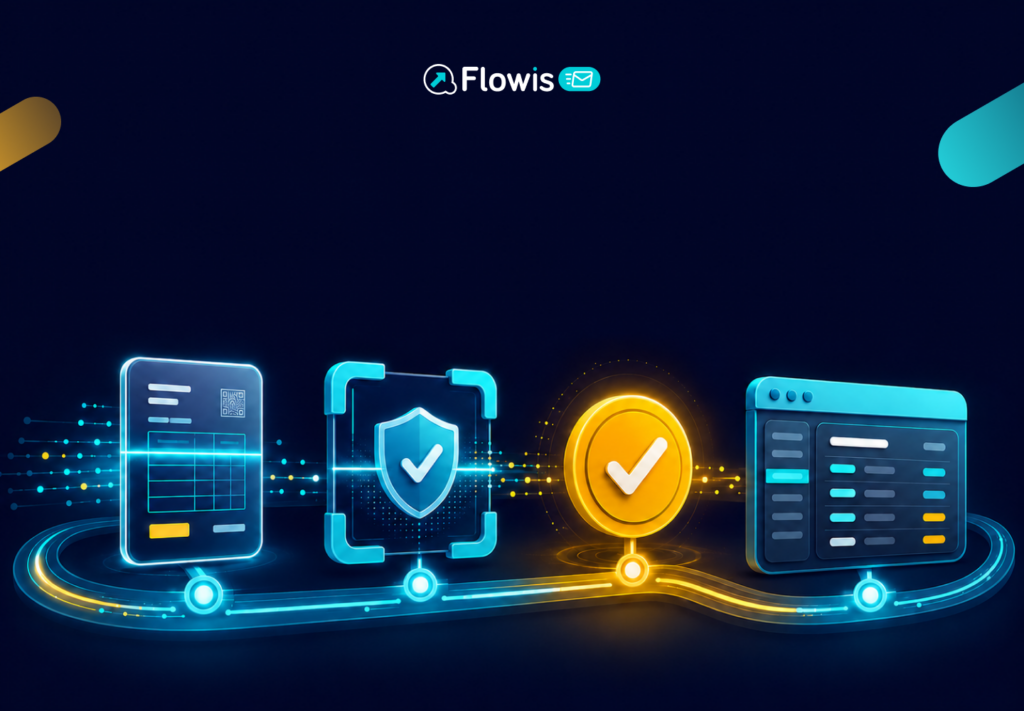
Once received, an e-invoice does not need to be printed or manually transcribed. When the process is set up correctly, the electronic document is sent from the supplier via a delivery service to the company’s system, where it is processed by the accounting department or an approver. This is particularly important when preparing for electronic […]
Can We Use More Than One Access Point?
When it comes to electronic invoicing, many companies ask themselves a practical question: Do we need to use a single Access Point provider for everything, or can we combine different solutions depending on what works best for us? In practice, you may have more than one Access Point provider. It’s important to distinguish between which […]
E-invoice ≠ PDF: What Exactly Will Be Mandatory Starting January 1, 2027
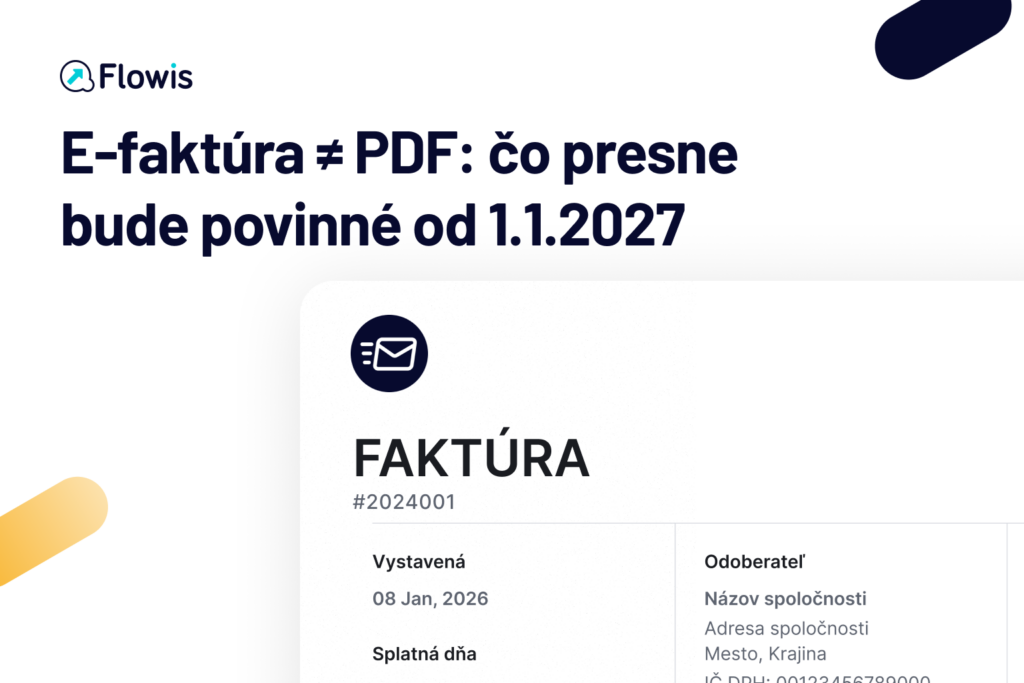
If you currently send invoices via email as PDF attachments, this is technically considered “electronic delivery,” but it is not an e-invoice as defined by the upcoming eFaktúra system. Starting January 1, 2027, electronic invoicing legislation will take effect, and e-invoices will be based on structured data, not on an image or PDF file. Below […]
Peppol Access Point: Who Needs It and How It Saves You Time
Starting January 1, 2027 , VAT payers involved in domestic transactions will be required not only to issue invoices but also to accept them in a specified electronic format. This also means that anyone to whom a VAT payer sends an e-invoice must be able to receive it. What is a Peppol Access Point? To […]