

Integrating the e-invoicing system with ERP will be an important issue starting in 2027 for companies that want to prepare for electronic invoicing without replacing their software or disrupting existing processes. Mandatory e-invoicing is being gradually introduced for domestic transactions, which will require the issuance, sending, and receipt of electronic invoices in a structured format.
For many companies, this raises the question: Will it be necessary to change the ERP system, revamp internal processes, or invest in a complex integration?
The good news is that modern solutions make it possible to implement e-invoicing without significantly disrupting existing processes and without the need to replace the ERP system.
If you’re still unsure exactly what will be mandatory starting in 2027, read the article:
E-invoice ≠ PDF: What Exactly Will Be Mandatory Starting January 1, 2027
Why Companies Are Wary of E-Invoicing Integration
In discussions about e-invoicing, the most common concerns are:
- high implementation costs,
- changes in established processes,
- service outages during deployment,
- the need to replace the existing ERP system,
- complex communication with the Financial Administration.
ERP systems are often at the core of business processes, and any changes to them pose a risk. Many companies therefore believe that implementing electronic invoicing will require a large-scale IT project.
In practice, however, there are solutions that make it possible to maintain existing processes while also meeting new legislative requirements.
What Does Integrating ERP and E-Invoicing Mean Without Disrupting Processes?
The ideal scenario looks like this:
- The sales department creates invoices in the same way as before,
- Accountants work in their ERP system,
- the approval processes remain unchanged,
- Users do not need to change their work habits.
The only difference is what happens behind the scenes of the system.
Once an invoice is created, the ERP system automatically forwards the data for further processing, and communication with the electronic invoicing system takes place without any user intervention.
Integrating an E-Invoicing System with an ERP System in Practice
An invoice is generated in the ERP system
Electronic invoices are not created outside the company or in new software. In most cases, users work exactly as they are accustomed to doing today.
The invoice is created in the ERP system or accounting software, and the user does not need to change their workflows.
The data will be processed automatically
Once an invoice is created, the data is automatically processed into the format required for electronic invoicing.
Depending on the specific solution, this process can be handled directly by the ERP system or through an integration layer between the ERP and the e-invoicing system.
The goal is to ensure that electronic invoices meet technical and legal requirements without the need to alter existing business processes.
The electronic invoice will be sent securely
After processing the electronic invoice, the system ensures that it is sent securely to the recipient.
In the same way, it is possible to receive electronic invoices from suppliers and automatically process them in the company’s systems.
The user continues to work in their ERP system
The biggest advantage of modern solutions is that employees don’t have to change the way they work.
The sales, finance, and accounting departments can continue to use their existing ERP systems and internal approval processes.
How the ERP System and the Digital Mail Carrier Work Together
In electronic invoicing, each component of the solution has its own role.
The ERP system is used to create, track, and process invoices.
The Digital Mail Carrier facilitates the electronic exchange of documents between various entities and communication within the electronic invoicing environment.
Thanks to this separation, companies can continue to use their existing systems without the need for extensive modifications.
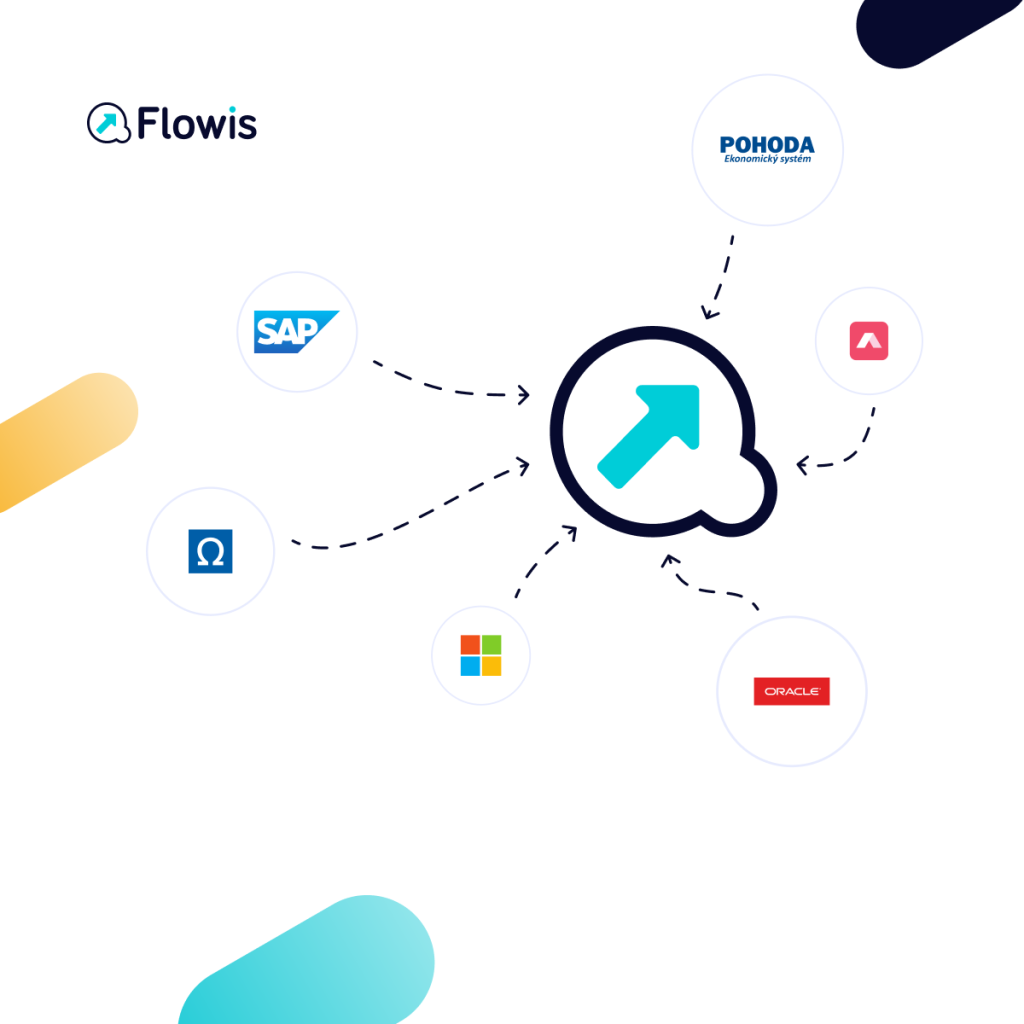
Which ERP systems can be integrated?
In practice, most commonly used solutions can be integrated:
- SAP
- Microsoft Dynamics
- Helios
- KROS
- Money
- Comfort
- OBERON
- ABRA
- proprietary business systems
What matters is not the brand of the ERP system, but the method of integration and the solution’s readiness for electronic invoicing.
Why the Digital Mail Carrier Will Be Key to E-Invoicing Starting in 2027
The role of a digital mail carrier is not limited to sending electronic invoices.
The modern digital mail carrier provides:
- sending electronic invoices,
- receiving electronic invoices,
- tracking the status of documents,
- delivery receipts,
- secure data exchange.
Therefore, when selecting a partner, it will not only be the price that matters, but also reliability, security, and readiness for future legislative changes.
You can read more about security in the article:
Why Consider ISO/IEC 27001 When Choosing a Digital Mail Provider
What to Look for When Choosing a Solution
Before choosing an e-invoicing partner, we recommend that you check the following:
Integration Options
- Does your ERP system support this solution?
- Does it support automated invoice processing?
- Is it ready for future expansion?
Safety
Electronic invoices contain business and financial data. Therefore, the provider should meet high security standards.
Future Legislative Changes
The system should be designed to adapt to new requirements without the need for extensive modifications.
Support for both received and sent electronic invoices
The company will have to not only issue but also accept electronic invoices.
Why You Should Start Preparing for E-Invoicing Now
Companies that start preparing in advance will have time to:
- process analysis,
- selecting an appropriate solution,
- integration testing,
- user training,
- resolving any technical issues.
Preparing in advance also minimizes the risk of having to implement the project under time pressure just before the deadline.
Related article:
How Much Will It Cost You If You’re Not Prepared for E-Invoicing in 2027
Conclusion
Implementing e-invoicing does not necessarily require replacing the ERP system or making major changes to internal processes.
Modern solutions make it possible to integrate existing ERP systems with the e-invoicing environment so that users can continue to work in the same way as before.
A properly configured integration between the e-invoicing system and the ERP system allows companies to prepare for electronic invoicing without unnecessary changes to their daily operations.
Companies that begin preparations early will have ample time to select a suitable partner, test the integration, and ensure a smooth transition to electronic invoicing starting in 2027.